Bio
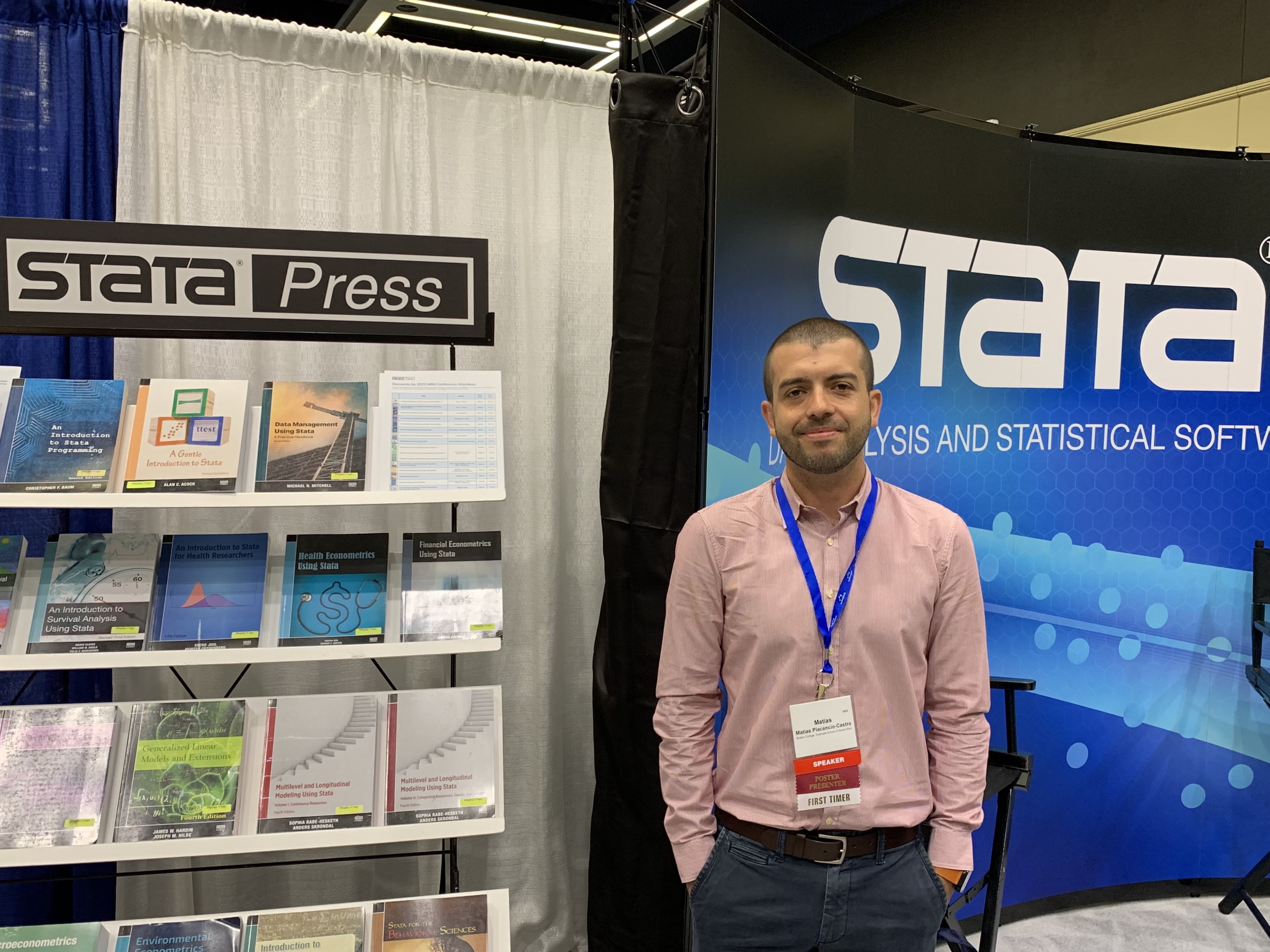
Hi! I'm Matias, an educator, researcher, and data scientist with more than ten years of experience in global health, education, and social policy. These days I work as a Senior Research Specialist at IEA's TIMMS and PIRLS International Study Center at Boston College. I help develop assessments and context questionnaires, contribute to research publications, and help keep project schedules on track for the TIMSS and PIRLS assessment cycles.
My main motivation has always been using data to, hopefully, make a real difference, especially for vulnerable communities in low-resource and post-conflict settings. Scientific rigor and reproducibility matter a lot to me, and so does making sure research actually reaches the people shaping policy and practice. And over the years, I have been lucky to contribute to projects in Rwanda, Sierra Leone, Chile, and the United States.
A bit about me and my family
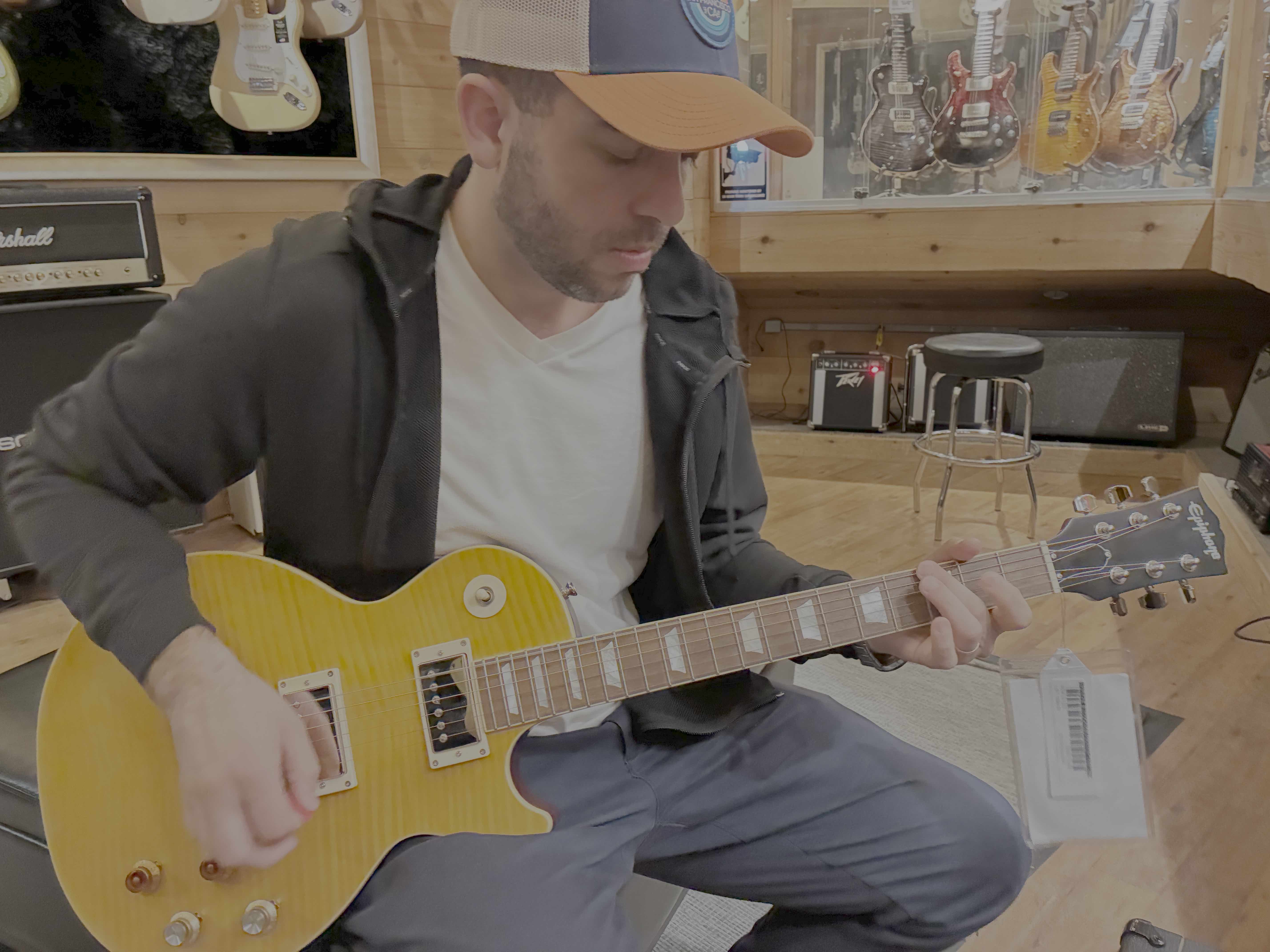
 When I'm not working, you'll probably find me listening to some tunes. I'm a big music fan and have a growing CD collection
that I'm (a bit) proud of. I also love playing electric guitar. I'm not exactly a rock star, but I've made steady progress since finishing my PhD, and I enjoy every minute of it.
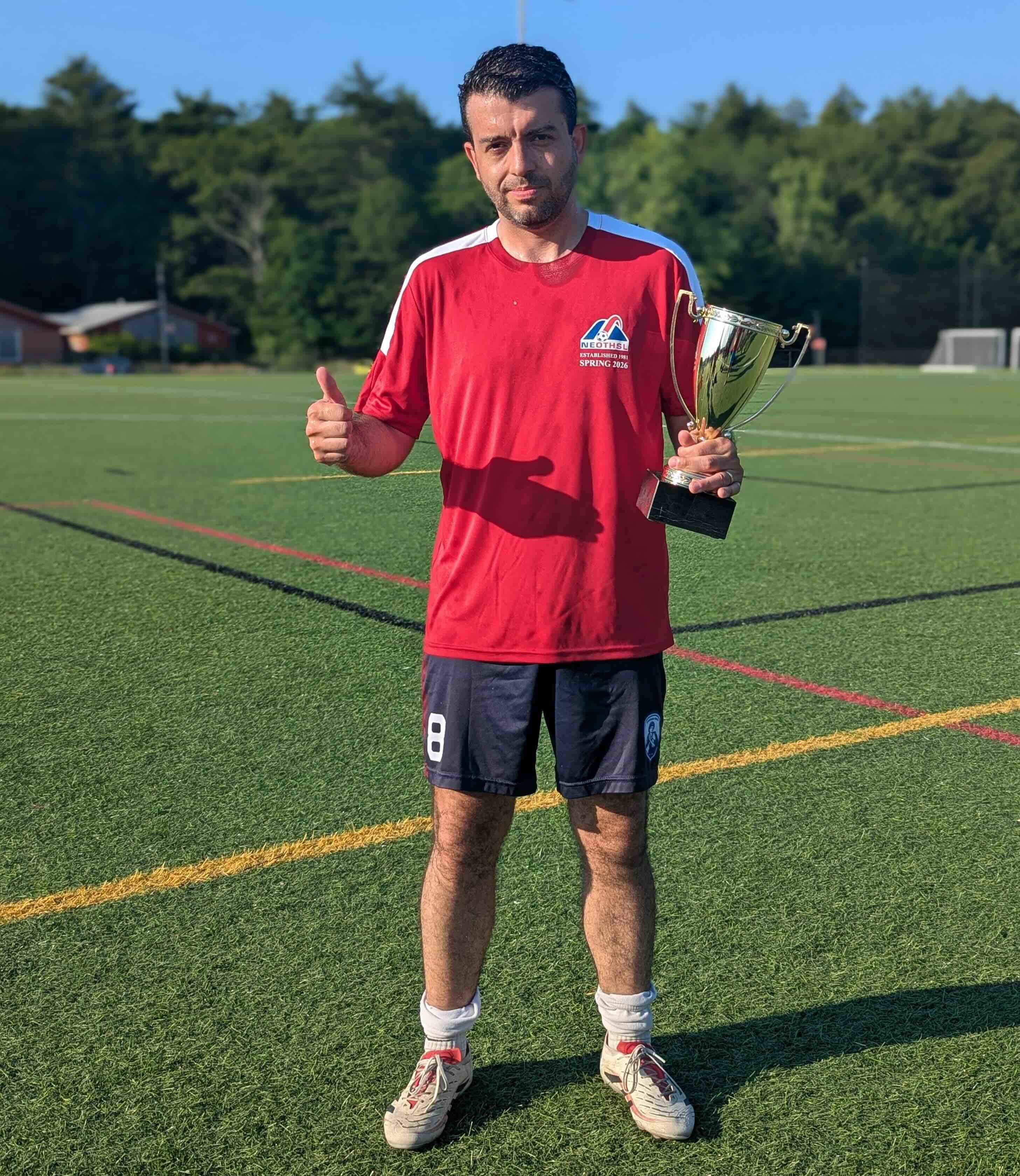
I have played fútbol (aka. soccer?) for as long as I can remember. At 38, I'm proud to say I still play competitively in a Sunday league, even if Mondays usually come
with a lot of sore muscles.
When I'm not working, you'll probably find me listening to some tunes. I'm a big music fan and have a growing CD collection
that I'm (a bit) proud of. I also love playing electric guitar. I'm not exactly a rock star, but I've made steady progress since finishing my PhD, and I enjoy every minute of it.
I have played fútbol (aka. soccer?) for as long as I can remember. At 38, I'm proud to say I still play competitively in a Sunday league, even if Mondays usually come
with a lot of sore muscles.
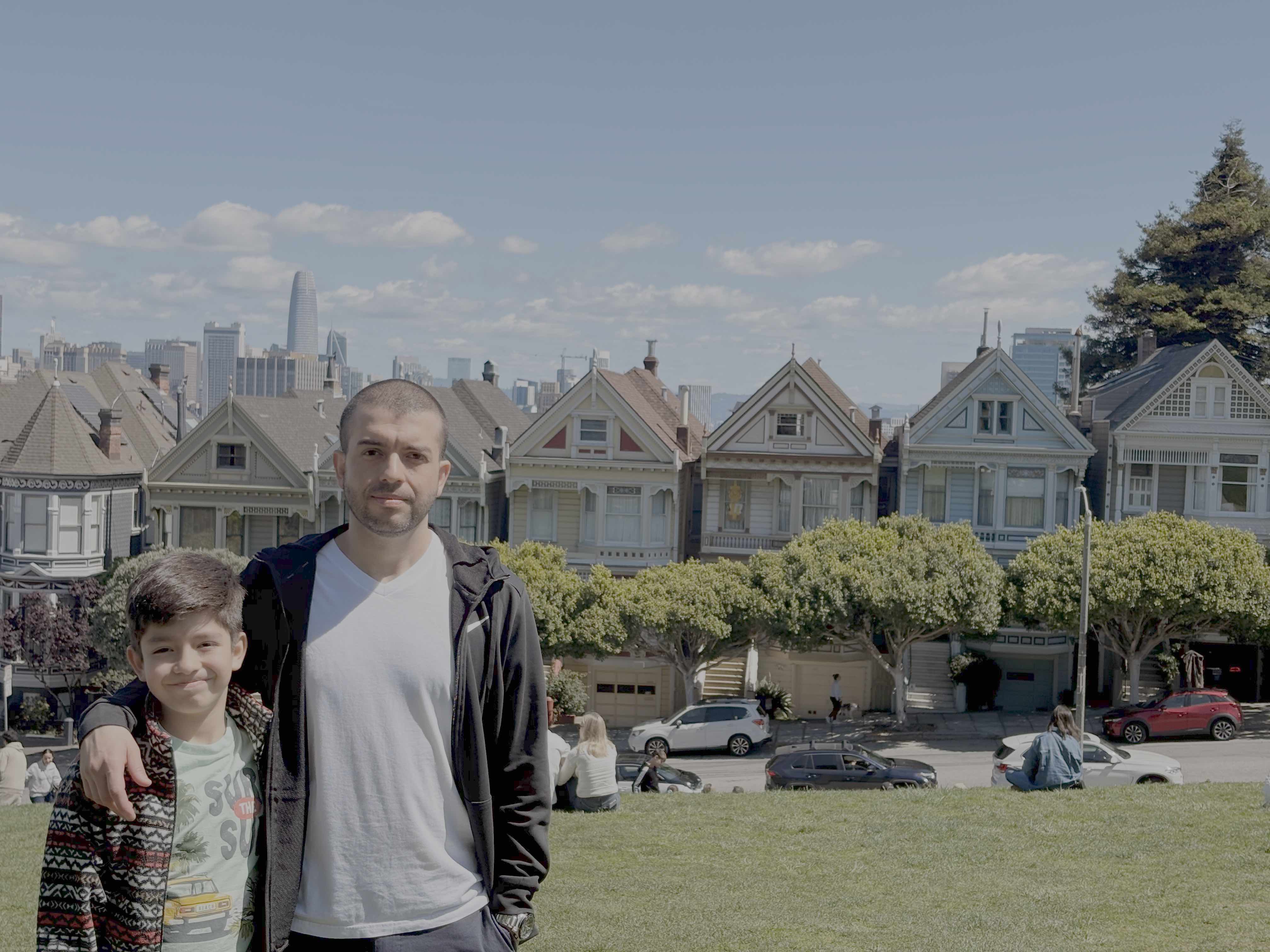
I'm lucky to say that my family is the most exciting part of my life (I mean it, it's not only for the media!). We spend a lot of time together, love doing outdoor stuff, but also love staying in bed a bit late during the weekends. Every friday we try to have a nice dinner and watch a movie together. We have watched the Star Wars Saga (and spin-offs) SEVERAL times!
My 11-year-old son is super kind and a lot of fun. He also plays soccer, loves music, and plays guitar. Soon he'll probably be better at it than I am! One of our favorite things to do together is play Pokémon cards. My wife is a force of nature, and she's been brave enough to put up with me for almost 10 years now. She's also a researcher, but we haven't coauthored a paper yet. Stay tuned for when that happens!.
Education
I earned my Ph.D. in Measurement, Evaluation, Statistics, and Assessment from the Lynch School of Education and Human Development at Boston College. For my dissertation, I worked with data frm low-income rural communities in Rwanda. I validated instruments for measuring caregivers mental health and psychosocial stimulation in the household, and I explored the mechanistic relationships between caregiver mental health, nurturing care practices, and child development. Before that, I studied at the Pontifical Catholic University of Chile, where I earned a Bachelor's in History, a High School Teaching Degree, and a Master's in Sociology, My academic background brings together social science, education, global health, and quantitative methods. Along the way I have gained a lot of hands-on training in experimental designs, program evaluation, and advanced statistical modeling, including hybrid trials that test both whether a psychosocial intervention works and how it's delivered.
My work in Chile
 Before moving to the U.S., I worked in several roles in the Chilean public sector.
At the Quality of Education Agency, I led the First National Civic and Citizenship
Education Study, developing the assessment framework, knowledge tests, and questionnaires on family and school context.
Earlier, at the same agency, I did fieldwork for the National Formative Assessment Program, working directly with teachers and
school leaders to improve their practice.
I also worked at the National Institute of Statistics as an analyst in the Technical and Methodologies Division for the 2017 Population Census.
There I helped design and conduct a national pilot test of field operations and the census questionnaire.
Beyond government work, I have also been a consultant with UNESCO's Latin American Laboratory for Assessment of the Quality of Education (LLECE),
running psychometric analyses and writing technical reports for the 2019 ERCE study across seven Latin American countries.
Together, all these experiences have certainly taught me a lot about public policy, large-scale assessment, and the reallity of conducting real world policy-oriented applied research.
Before moving to the U.S., I worked in several roles in the Chilean public sector.
At the Quality of Education Agency, I led the First National Civic and Citizenship
Education Study, developing the assessment framework, knowledge tests, and questionnaires on family and school context.
Earlier, at the same agency, I did fieldwork for the National Formative Assessment Program, working directly with teachers and
school leaders to improve their practice.
I also worked at the National Institute of Statistics as an analyst in the Technical and Methodologies Division for the 2017 Population Census.
There I helped design and conduct a national pilot test of field operations and the census questionnaire.
Beyond government work, I have also been a consultant with UNESCO's Latin American Laboratory for Assessment of the Quality of Education (LLECE),
running psychometric analyses and writing technical reports for the 2019 ERCE study across seven Latin American countries.
Together, all these experiences have certainly taught me a lot about public policy, large-scale assessment, and the reallity of conducting real world policy-oriented applied research.
Adventures in the United States
After moving to the US for my doctoral studies, much of my time has been with the Research Program on Children and Adversity (RPCA) at Boston College, where I grew from Research Assistant to Senior Social Sciences Research Data Analyst. Working closely with Dr. Theresa S. Betancourt, I had the opportunity to lead advanced statistical modeling, help write grants and design studies, and mentored students and early-career researchers in quantitative methods. I also had the amazing opportunity of working on several randomized controlled trials, longitudinal studies, and implementation-effectiveness hybrid trials in global mental health and early childhood development. One project I'm especially proud of is the large-scale rollout of an evidence-based parenting program in Rwanda (NCT02510313; NCT04257383; NCT05405400; NCT06941831). It has been supported by private philanthropies, the World Bank's Strategic Impact Evaluation Fund, and the National Institutes of Health, and it has reached more than 18,000 households and 30,000 caregivers and children in rural Rwanda. Before joining RPCA, I worked as Graduate Reserach Assistant for the Measurement, Evaluation, Statistics, and Assessment Department at the Boston College Lynch School of Education, and as a Graduate Statistical Analyst at Boston College's Academic Research Services. I've also collaborated with Boston University's Center for Psychiatric Rehabilitation on longitudinal evaluations and psychometric analyses for mental health and social support programs, and I interned at the Boston Public Schools Office of Data and Accountability, where I used statistical models to build equity indicators for the district's Opportunity Index.
My research interests
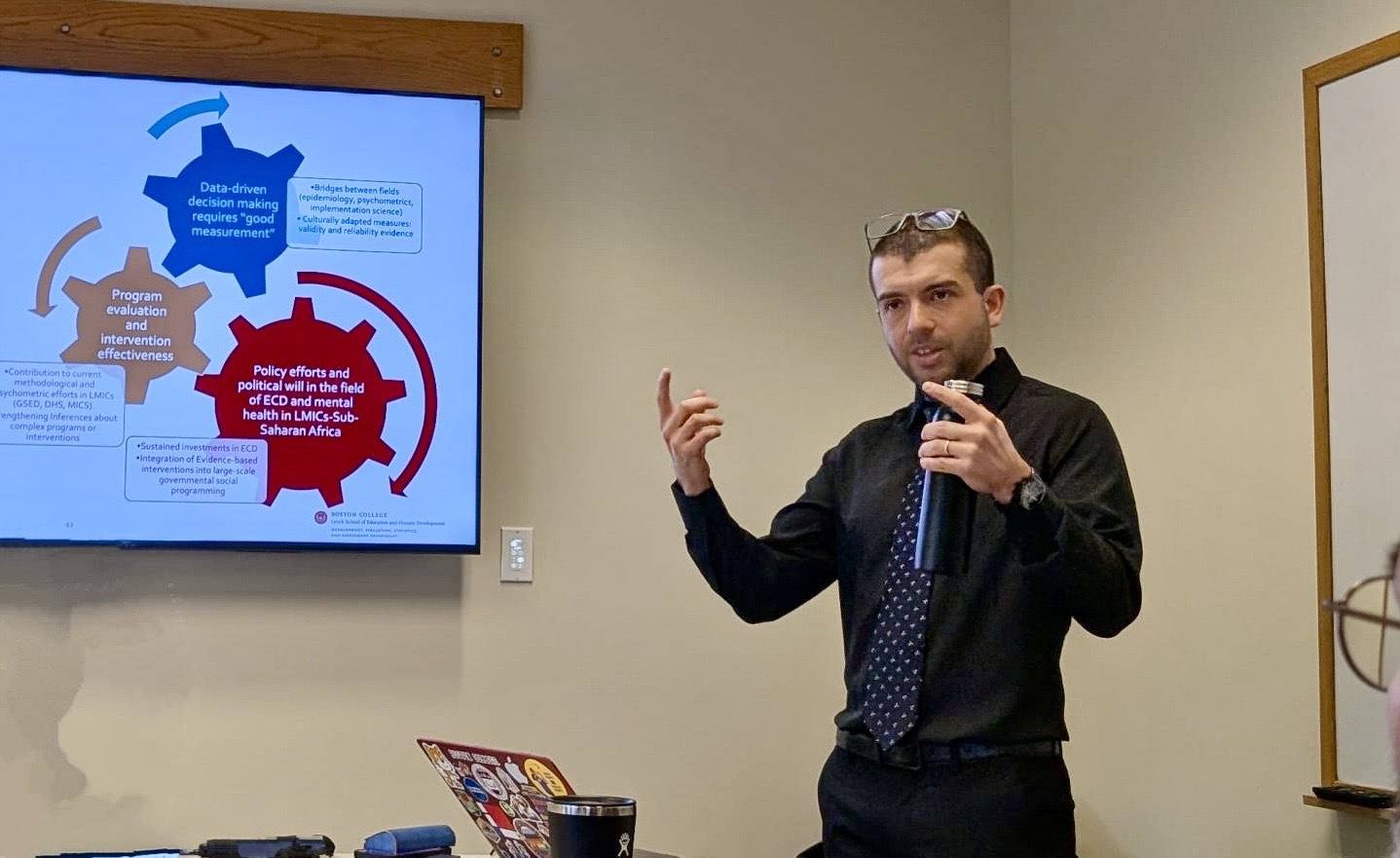 My research spans global mental health, early childhood development, education, implementation science, and quantitative methods.
I particularly enjoy working on psychometrics analyses and instrument development, experimental designs, and multilevel and structural equation modeling.
And I have had the opportunity to coauthor several peer-reviewed papers published in journals such as Pediatrics, the Journal of the American Academy of Child & Adolescent Psychiatry,
BMJ Global Health, and Early Childhood Research Quarterly, among others.
My research spans global mental health, early childhood development, education, implementation science, and quantitative methods.
I particularly enjoy working on psychometrics analyses and instrument development, experimental designs, and multilevel and structural equation modeling.
And I have had the opportunity to coauthor several peer-reviewed papers published in journals such as Pediatrics, the Journal of the American Academy of Child & Adolescent Psychiatry,
BMJ Global Health, and Early Childhood Research Quarterly, among others.
Last but not least, I'm not going to lie: teaching is one of my favorite parts of this work. I am, after all, a teacher by training and chose that for a reason, I suppose. At Boston College, I've taught as part-time faculty in the School of Social Work and the Lynch School of Education, covering research methods, program evaluation, and intermediate statistics. In Chile, I taught applied statistics, psychometrics, and research design at Diego Portales University and the Pontifical Catholic University of Chile. And I have also led several workshops for universities and NGOs organizations on educational measurement, instrument development and validation, and psychometrics.